

Toronto, Ontario, Canada — October 16, 2025
Japan has long been a discerning market for soybeans — especially food-grade, non-GMO, and identity-preserved varieties used in tofu, miso, natto, and soy sauce. As local production cannot meet all demand, Japan relies heavily on imported soybeans. In 2024 alone, Japan imported approximately 3.3 million metric tons of soybeans, with over 70% of demand for food-grade soybeans being met through international sourcing.
🔍 Key Trends That Make Canadian Soybeans Attractive
- High Quality & Consistency: Japanese food manufacturers give premium to soybeans that deliver consistent protein content, clean appearance, and strict traceability. Canadian soybeans have built a strong reputation here.
- Strong Non-GMO & Identity-Preserved (IP) Demand: Many tofu and traditional soybean product makers in Japan prefer non-GMO soybeans, often with identity-preserved qualities, to ensure quality, safety, and consumer trust.
- Stable Import Needs Despite Market Shifts: Although global trade is volatile and some crops see shifts (e.g. between soybean, canola, etc.), food-grade soybeans remain a steady demand in Japan, especially for traditional soy foods.
🚚 How Agraprime Meets Japanese Buyer Needs
Agraprime International is well-positioned to meet these emerging and evolving demands in Japan. Here’s how:
| Requirement | How Agraprime Delivers |
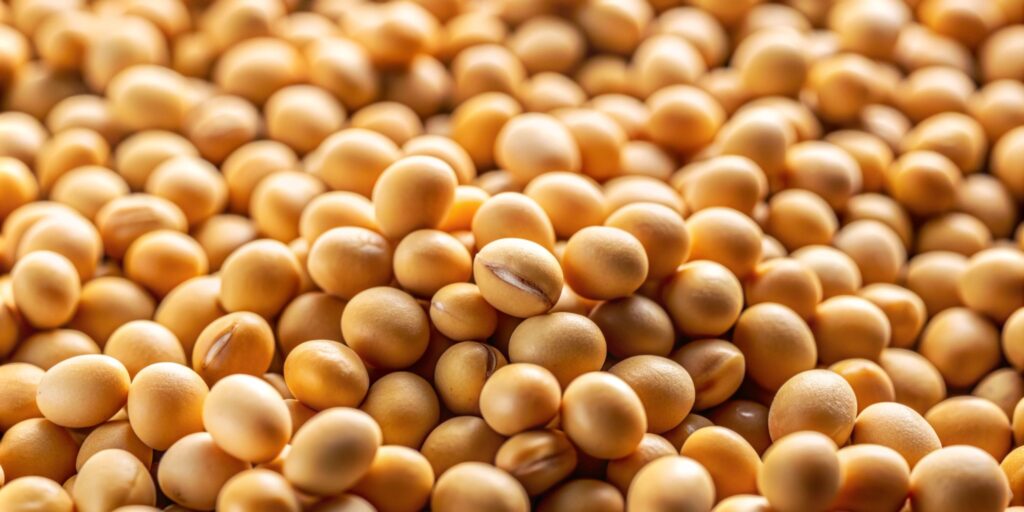
| Premium Food-Grade Quality | We offer select non-GMO soybeans with consistent protein content, clean grading, and food-grade handling — suited for tofu, miso, natto, soy sauce production. |
| Reliable & Transparent Export Documentation | Each shipment is accompanied by full export-ready documentation. Customers can expect traceability and compliance aligned with Japanese import and food safety standards. |
| Partner-focused Supply | Agraprime sees Japanese manufacturers not just as clients, but as partners. We tailor our offerings (varieties, packaging, quantities) for their specific product use cases. |
| Export Reliability & Timing | Understanding seasonal harvest cycles, shipping logistics, and demand schedules, we strive for consistent supply and delivery — helping Japanese buyers manage inventory more confidently. |
| Flexibility & Support | Whether it’s smaller initial orders, custom packaging weights (e.g. 30 kg bags), or meeting protein-specs, we work with buyers to find the right fit. |
📈 What This Means for Buyers in Japan
For importers, processors, and food manufacturers in Japan, the growing preference for Canadian soybeans signals opportunity. Agraprime offers:
- Reduced supply risk by having additional buffer in sourcing beyond traditional suppliers.
- Quality assurance that supports consistency in final soy food product — a critical factor for Japanese markets.
- Strong partnership and communication so that any changes (protein content, delivery schedules) are handled proactively.
🌱 Agraprime’s Mission in this Context
“To deliver consistently premium-quality soybeans that meet the diverse needs of the market, while building lasting partnerships based on trust, reliability, and mutual success.”
This mission reflects how Agraprime views Japan not just as a market, but as a partner — aligning with the high expectations of quality, transparency, and steadfast supply that Japanese food manufacturers deserve.
✅ Takeaway
Japanese demand for high-quality, non-GMO, food-grade soybeans is growing steadily. Canada — and exporters like Agraprime — are increasingly viewed as trusted sources because of consistent product quality, strong documentation practices, and the ability to meet rigorous specifications. For buyers seeking reliability, traceability, and partnership, Agraprime aims to deliver precisely that.